Table Of Content

Though fluctuations in speed may be slight, they do cause your engine to use more fuel than required. Point is, the more time you spend at a steady speed, the less fuel your engine needs. In the realm of modern vehicles, cruise control systems have evolved significantly, offering a range of functionalities tailored to enhance driving experience and safety. If your cruise control doesn’t activate, start with the basics. Ensure it’s turned on and you’re at the right speed (usually above mph). If these aren’t the issues, it might be a blown fuse, a faulty brake pedal switch, or a defective speed sensor.
What is the difference between cruise control and speed limiter?
Who are the leading innovators in adaptive cruise control for the automotive industry? - just-auto.com
Who are the leading innovators in adaptive cruise control for the automotive industry?.
Posted: Wed, 25 Oct 2023 07:00:00 GMT [source]
Cruise control is designed to be used on A-roads and motorways that don’t have frequent stops and turns to negotiate. Check out the below video from our sister site Autotrader that explains what you need to know about adaptive cruise control. Before you buy, be sure to determine which type of cruise control system is fitted to the car you’re considering. Cruise control should not be used to maintain speeds above legal limits. ” mapfreinsurance.com/blog/how-does-cruise-control-in-cars-work (accessed July 11, 2023). Driving while fatigued is never a good idea, but even less so while using cruise control.
Winding Roads
All cruise control systems must have the capability to be turned off explicitly and automatically when the driver depresses the brake pedal and often also the clutch. Cruise control systems frequently include a memory feature to resume the set speed after braking and a coast feature to reduce the set speed without braking. When the cruise control is engaged, the throttle can still accelerate the car, but once the pedal is released, it will slow down the vehicle until it reaches the previously set speed. The new technology also allows the system to automatically adjust the car's speed depending on the speed of the vehicle ahead. It ensures that the car maintains a safe distance from the vehicle ahead despite the constant change in speed of the vehicle moving ahead. It is instrumental in highways or during rush hour traffic and reduces driver fatigue.
Driving your car with cruise control on icy roads is dangerous - VERIFYThis.com
Driving your car with cruise control on icy roads is dangerous.
Posted: Tue, 26 Dec 2023 08:00:00 GMT [source]
How Does The Cruise Control System In Cars Work?
One of the main advantages of using cruise control is improved fuel efficiency. By maintaining a constant speed, cruise control helps reduce fuel consumption, leading to better gas mileage. Rapid acceleration and deceleration, on the other hand, can lead to increased fuel consumption. Cruise control is a feature allowing the driver to set a predetermined speed, which the system’s computer maintains until the driver adjusts the speed, taps the brake, or disengages the system.
In many ways, cruise control is also very useful to have when the traffic flow is constantly speeding up and slowing down, because it gives you such fine control over the car’s speed. However, continually pressing buttons can become irksome, to the point it’s often easier to switch the system off and revert back to the pedals. Level 3 – If Level 2 is partial self-driving, Level 3 is conditional full automation. A Level 3 self-driving system uses a wide spectrum of driver-assistance features and artificial intelligence (AI). These technologies collude to react to and make decisions about the vehicles’ ever-changing situations.
What Is the Difference Between Level 2 and Level 3 Autonomous Driving?
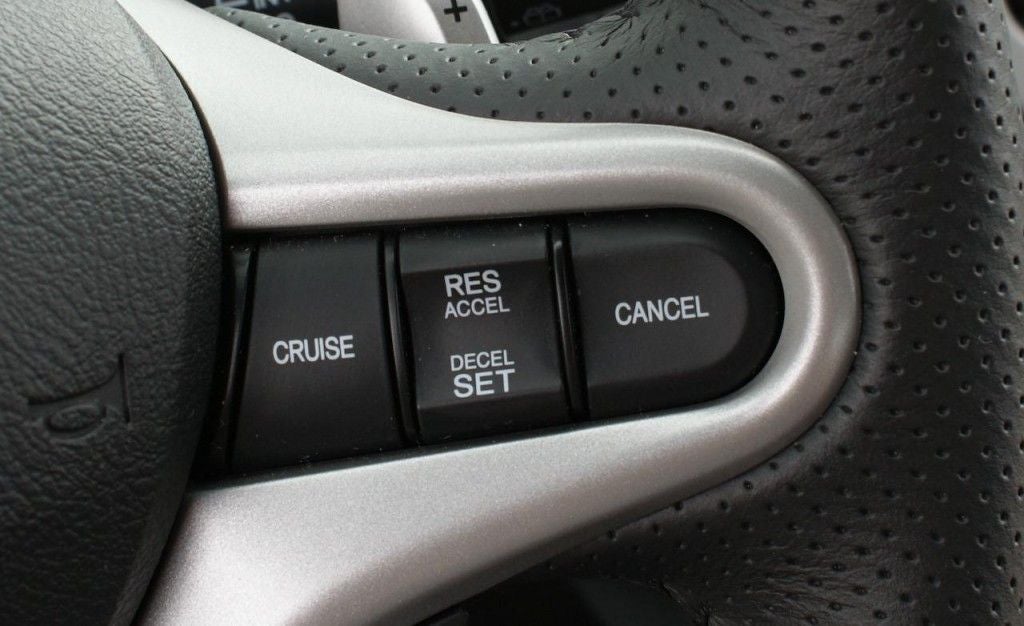
For instance, the cruise control pictured below can accelerate or decelerate the car by 1 mph with the tap of a button. There are also several important safety features -- the cruise control will disengage as soon as you hit the brake pedal, and it won't engage at speeds less than 25 mph (40 kph). The cruise control system controls the speed of your car the same way you do – by adjusting the throttle (accelerator) position.
Is cruise control bad for your transmission?
Cruise control in a car replicates the inputs of a driver to control the vehicle’s speed. But instead of pressing the accelerator pedal, it uses a different mechanism to maintain a constant cruising speed. You'll find your Cruise Control settings in or around your steering wheel. Some vehicles may include a separate shaft on your car along with the windshield wiper and indicator. Other cars may have cruise control buttons on your steering wheel or on the dashboard - check your vehicle or manual for more details. Another pressing question is what makes this electronic device so intelligent and intuitive.
In other words, once set, the cruise control system automatically controls vehicle speed, relieving the driver of that responsibility. Two companies are developing a more advanced cruise control that can automatically adjust a car's speed to maintain a safe following distance. This new technology, called adaptive cruise control, uses forward-looking radar, installed behind the grill of a vehicle, to detect the speed and distance of the vehicle ahead of it.
Some units employ a laser, while others use an optical system based on stereoscopic cameras. Regardless of the technology, ACC works day or night, but its abilities can be hampered by extreme conditions, such as heavy rain, fog, or snow. Using the input from the radar sensors, the computer unit measures the distance of the car ahead and calculates the speed relative to it.
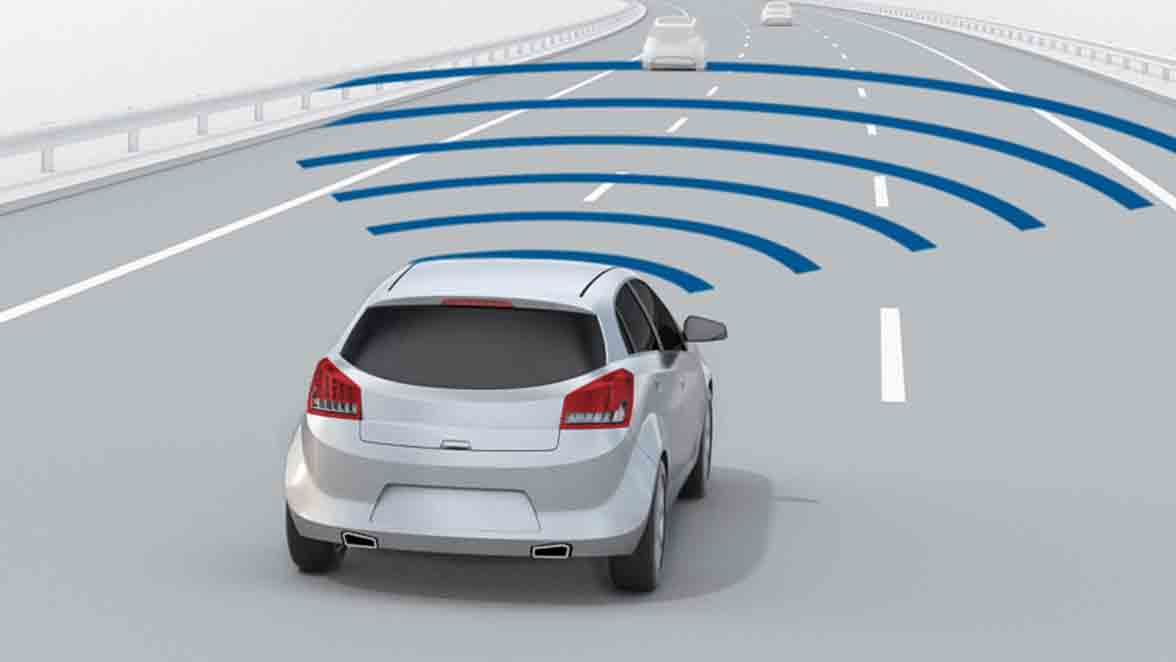
Adaptive cruise control is very beneficial for people who commute long distances. Another advantage of adaptive cruise control is that it works perfectly fine within city traffic. During peak traffic hours, the driver can save themself from fatigue.
” We can sort of forgive Mercedes for its Distronic cruise control. Some call it adaptive cruise control as the root and then tack something onto it. Using cruise control also reduces wear and tear on both your engine and transmission by running things more smoothly and steadily, and reducing workload on both components. For a deeper understanding of cruise control and its various aspects, it’s always beneficial to refer to your vehicle’s manual and seek guidance from automotive professionals.
Cruise control is an electronic system that enables you to fix a vehicle’s accelerator on a specific speed, so you can take your foot off the pedal. You can use cruise control whenever you want, however it’s most effective on roads where you can maintain roughly the same speed for long periods of time, primarily motorways and dual carriageways. By the early 1990s, Japanese carmakers were adding a form of forward collision warning to their cruise control, but it was still up to the driver to react and apply the brakes. Not until Mercedes-Benz developed its Distronic cruise control did cruise control with self-braking make its first public appearance. When carmakers pitched cruise control to the American public more than half a century ago, they framed it as a way to maintain a safe, consistent speed on the highway and a path to conserving fuel.
However, cruise control engages the throttle valve by a cable connected to an actuator, rather than by pressing a pedal. The throttle valve controls the power and speed of the engine by limiting how much air it takes in (since it’s an internal combustion engine). The cruise control takes its speed signal from a rotating driveshaft, speedometer cable, wheel speed sensor from the engine's RPM, or internal speed pulses produced electronically by the vehicle. Most systems do not allow the use of the cruise control below a certain speed - typically around 25 or 30 mph (40 or 48 km/h). Cruise control (also known as speed control, cruise command, autocruise, or tempomat) is a system that automatically controls the speed of an automobile.
Although the fuel savings were minimal, both claims were accurate. This comparison highlights the diversity in cruise control technologies, illustrating how each brand tailors its system to specific driving experiences and safety standards. General Motors’ Super Cruise system is available in select Cadillac models and provides hands-free driving assistance on compatible highways. It uses LiDAR map data, high-precision GPS, and a driver attention system to ensure safety.
While driving through the city, you’ll face a number of stop lights and stop signs that will require manual braking. Heavy, or stop-and-go traffic is not ideal for safely using cruise control. When engaging cruise control on the highway, ensure your lane is clear and there are no vehicles stopping ahead. This factor helps the cruise control respond quickly to changes, such as hills. Speed control existed in early automobiles such as the Wilson-Pilcher in the early 1900s.


No comments:
Post a Comment